

India’s active COVID-19 cases surge past 6,000; Kerala worst hit
Omicron sub-variants drive mild but highly transmissible new wave
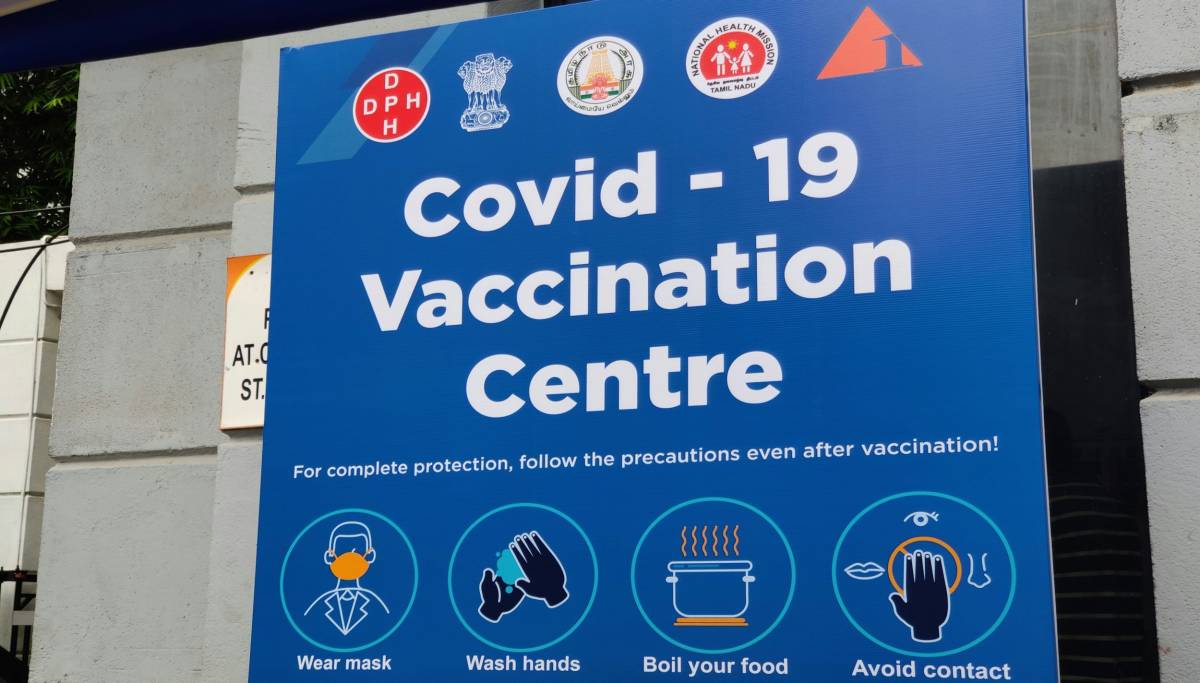
DUBAI: India’s active COVID-19 case count has surpassed 6,000, with the Ministry of Health and Family Welfare confirming a total of 6,491 cases by Monday morning.
The sharp rise includes 358 fresh infections reported in the last 24 hours alone. The southern state of Kerala remains the worst affected, accounting for the highest number of active cases in the country.
This renewed surge is primarily attributed to the emergence of new Omicron sub-variants such as JN.1, NB.1.8.1, LF.7, and XFC. While these variants are not currently classified as variants of concern, the World Health Organisation (WHO) has placed them under monitoring due to their higher transmissibility.
COVID-19 cases in India
Kerala has emerged as the epicentre of India’s latest COVID-19 uptick, recording 1,957 active cases as of Monday. The state added 7 new cases in the last 24 hours, highlighting a steady trend in infections. Once hailed for its early and efficient response to the pandemic, Kerala had stopped releasing daily COVID-19 data in April 2022 and relaxed mask mandates, citing control over the situation.
The latest fatalities have included three individuals in Kerala, all of whom were elderly and had multiple comorbidities. Among them was a 92-year-old male with a history of coronary artery disease and multiple myeloma, and a 64-year-old male suffering from type 2 diabetes and oesophageal cancer. Their deaths were linked directly to SARS-CoV-2 infection and complications such as respiratory failure and sepsis.
Which other states are affected?
Following Kerala, Gujarat reported the second-highest number of active cases at 980, with 158 new infections reported in the past 24 hours. West Bengal reported 54 new cases, bringing its active tally to 747. Notably, 53 individuals in the state recovered, indicating robust recovery numbers despite the fresh spike.
Delhi added 42 new cases to its tally, pushing its active count to 728, while Karnataka logged 57 new infections, bringing its active caseload to 423. The southern state has also seen four recent recoveries.
Other states showing smaller outbreaks include Tamil Nadu with 219 active cases after reporting 25 new infections, and Maharashtra, which added 77 new cases, taking its total for 2025 to 1,439, with the bulk of cases centred around Mumbai and Pune.
The Union Territory of Assam reported a modest number with only 6 active cases, while Odisha recorded 7 new cases, raising its active case count to 33. Haryana’s Gurgaon district added 10 new infections, with most patients currently under home isolation.
Is COVID-19 still dangerous?
Health experts believe the virus has now transitioned from being an unpredictable public health emergency to behaving more like a seasonal illness. The majority of the current cases present mild symptoms and are being managed under home care. Nevertheless, six new deaths were reported on Sunday – two in Karnataka, three in Kerala, and one in Tamil Nadu – primarily among patients with pre-existing health conditions.
The patient in Tamil Nadu, for example, was a 42-year-old male with uncontrolled diabetes and acute kidney disease, who succumbed to complications despite efforts to stabilise his condition.
India’s efforts against COVID-19
In light of the rising numbers, technical review meetings were held on June 2 and 3 involving stakeholders from the National Centre for Disease Control (NCDC), Indian Council of Medical Research (ICMR), and representatives from state and Union Territory health departments. The focus of these discussions was to reassess preparedness, enhance hospital readiness, and closely monitor the behaviour of the virus.
A combined effort is also being made through the Emergency Management Response (EMR) Cell and Integrated Disease Surveillance Programme (IDSP) to ensure consistent tracking of emerging variants and regional hotspots.
Meanwhile, recovery numbers remain encouraging. Across India, 624 patients were discharged or declared recovered in the past 24 hours. Since the start of the year, the nation has reported 65 COVID-related fatalities, of which 15 were from Kerala.
As of now, health authorities continue to urge caution without inducing panic, emphasising the importance of mask usage in high-risk areas, vaccination, and early diagnosis, particularly for individuals with underlying health conditions.